Why Hiking Matters in Dinghy Racing
Power, a flat boat, and speed — plus how to train it off the water
In a trapeze boat, the wire does a lot of the heavy lifting. In a hiking dinghy — GP14, ILCA, Fireball, Wayfarer, 420 and the rest — you are the righting moment. How hard and how well you hike is one of the biggest free upgrades available in the fleet, and it shows up every time the breeze builds past a gentle force 2–3.
This is not about gym heroics for their own sake. It is about keeping the boat flat, the foils working, and the sail trimmed for speed when everyone else is sitting in and spilling wind.
Righting moment is free power
When the boat heels, you lose projected sail area to windward, the centreboard stalls earlier, and the rudder starts fighting weather helm. Hiking pushes your body weight outboard and restores the righting moment that keeps the rig upright. More hike means you can carry more power longer — sheet harder, point higher, and accelerate out of waves instead of feathering all the time.
In a two-person boat like a GP14, helm and crew share that job. One soft hiker and the other is carrying the boat alone. Both need the strength and the habit to get out early and stay out through the lulls that follow a gust.
Flat boats are fast boats
A heeled dinghy drags more water, makes more leeway, and puts the foils at the wrong angle. Flattening with hike (and with trim — kicker, cunningham, outhaul) is not just comfort; it is speed. Watch the front of the fleet upwind in a breeze: they look almost level, hiking hard, and the boat tracks clean.
Aim for: get out early as the boat starts to heel, hike through the gust rather than dumping everything at once, then ease sheet or hike in as the pressure drops so you do not dig the windward chine. Smooth weight movement beats frantic bouncing.
Technique that lasts a race
- Toes under the straps, hips out. Drive from the thighs and core, not by hanging from the toes alone.
- Keep a low, long body line. Sitting up tall shortens your lever and burns energy faster.
- Coordinate with the sheet. Hike first to hold power; ease when you cannot keep the boat flat. Dumping early is slow.
- Exit and entry on tacks. Practice getting out immediately on the new side — that is where places are won or lost.
Injury prevention and durability
Hard hiking loads the quads, hip flexors, lower back, and knees. Coming into a championship week cold is a reliable way to blow a race — or a season. Gradual strength work, sensible warm-ups, and off-water hiking practice build the specific endurance the boat demands without thrashing your body in every club race.
Focus on: controlled hiking holds, short intervals (e.g. 30–60 seconds hard, rest, repeat), and core stability so you can stay long and low without collapsing into the gunwale. If something hurts sharply (knee, back), stop and get it checked — grinding through bad form is not toughness.
Off-season training: the hiking bench
You cannot always get on the water when you need fitness. A hiking bench lets you rehearse the same body position, strap tension, and rocking motion you use to flatten a boat — in the garage, shed, or club room. Used properly it is specific sailing training, not generic gym work.
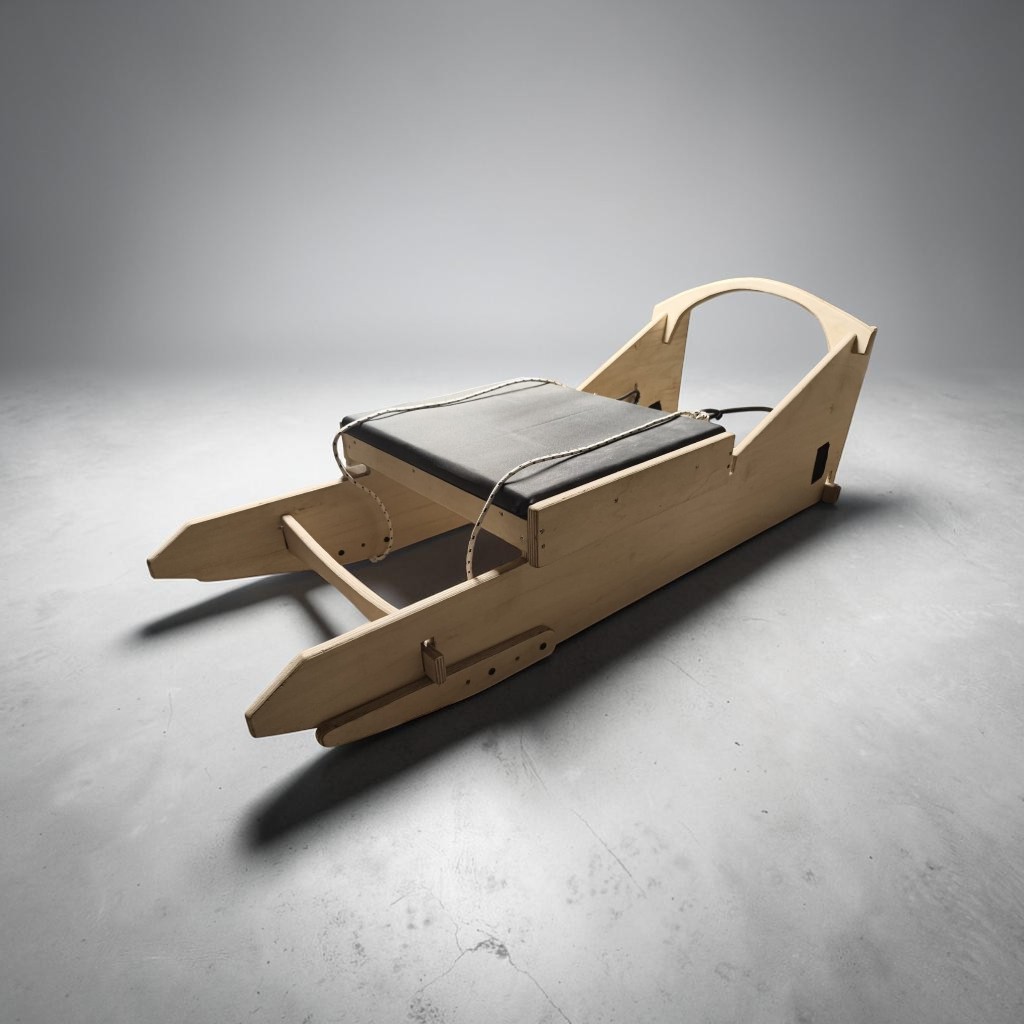
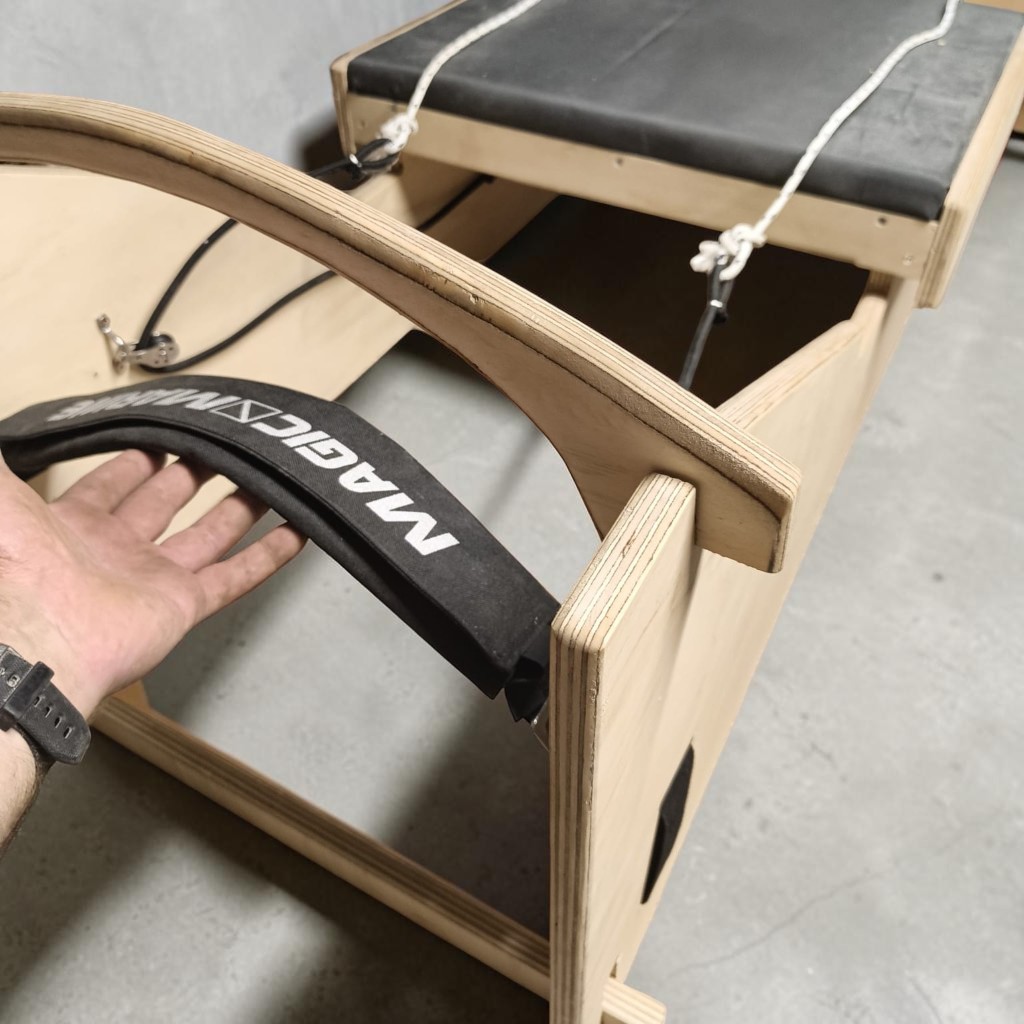
We build a handmade marine-ply hiking bench with a padded seat, adjustable toe straps, and a double bungee sheet so you can load the arms as well as the legs. It rocks as you hike, which mimics the feel of flattening the boat. Benches are made to order for your class — ILCA/Laser, GP14, Fireball, Wayfarer, 420, Enterprise, or another — so strap height and geometry match what you sail.
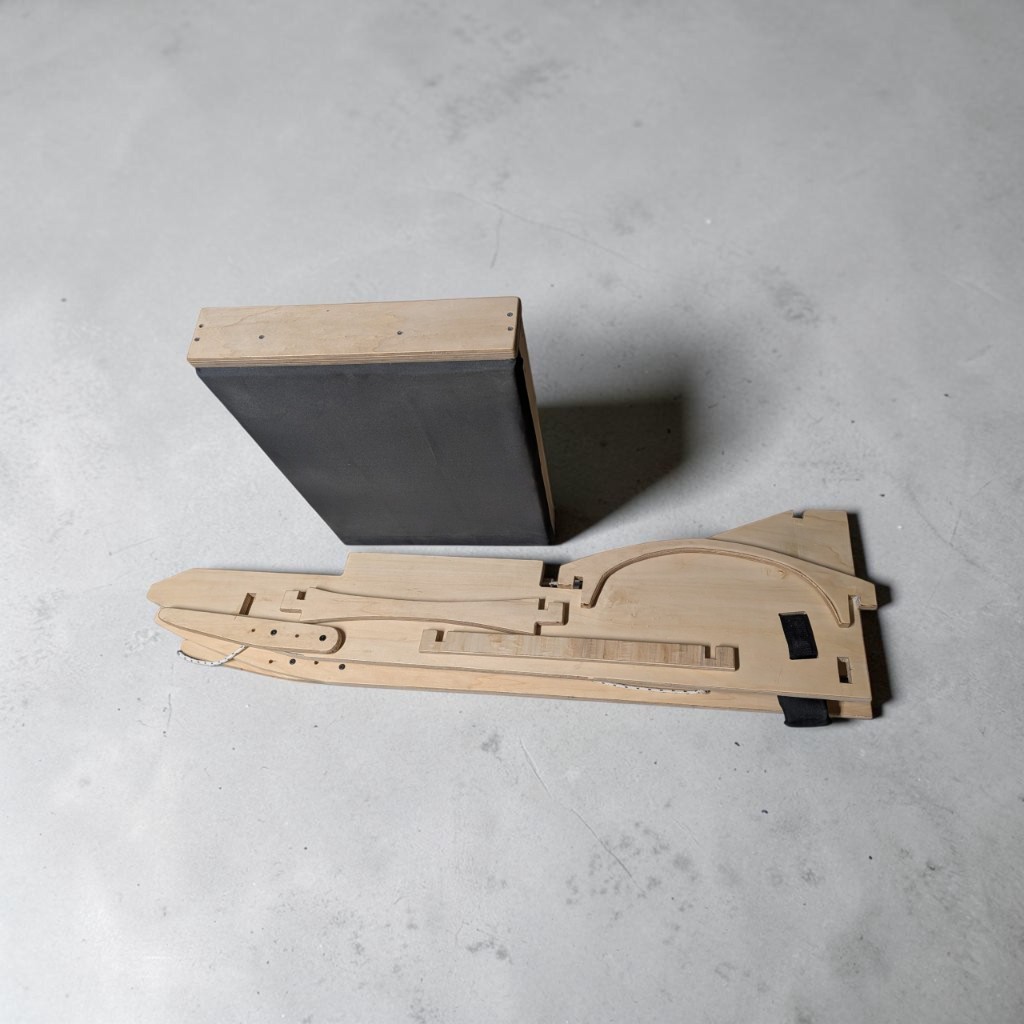
Price is €300 + shipping across Europe. Flat-pack friendly for storage and travel.
Train hiking off the water
See the Custom Hiking Bench in the shop — specs, photos, and how to order for your class.
View Hiking Bench in ShopBottom line
Hiking is not optional once the breeze is up. It is how you turn body weight into boat speed: more power in the sail, less drag in the water, and the fitness to do it for a full series. Work the technique on the water, build the legs and core off it — and when you cannot sail, use a bench that matches your boat.