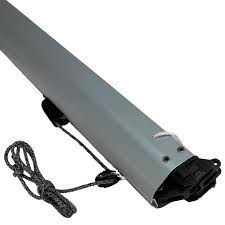
GP14 Outhaul Tuning Guide
Complete Guide to Mainsail Foot Control
1. What It Does
The outhaul adjusts the depth of the mainsail's lower section (the foot).
| Action | Effect on Sail | Effect on Boat |
|---|---|---|
| Haul on outhaul (tighten) | Flattens lower sail, opens leech | Reduces power, improves pointing, easier to hold flat |
| Ease outhaul | Adds curvature ("belly") to foot | Increases power, acceleration, better for chop or lulls |
The outhaul directly affects drive and balance, particularly when sailing upwind and reaching.
2. Outhaul + Crew Weight + Conditions
| Wind Strength | Outhaul Setting | Goal |
|---|---|---|
| Light (<8 kt) | Ease until ~40–50 mm (a hand width) of curvature between foot and boom | Max power and drive |
| Medium (8–14 kt) | Moderate tension – ~15–25 mm gap | Balance power and pointing |
| Fresh (14–18 kt) | Tight – 0–10 mm gap | Flatten sail, reduce heel |
| Heavy (>18 kt) | Max tight – clew almost at boom | Minimum power, open leech |
Tip: Many top GP14s have 2:1 or 4:1 outhaul systems so you can adjust easily on the water.
3. Interactions With Other Controls
| Control | Combined Effect | Tuning Tip |
|---|---|---|
| Spreader deflection | More bend = naturally flattens lower sail → less outhaul needed | If mast over-bends, ease outhaul slightly to maintain foot shape |
| Chocks | More front chocks = mast straighter = fuller sail | Add a touch of outhaul to balance |
| Kicker (vang) | Adds leech tension and bends mast → indirectly flattens main | When you add kicker, you often ease outhaul slightly to regain power low down |
| Cunningham | Tightens luff and flattens entry | Use both together in heavy wind for depower |
| Boom position (rake) | Affects outhaul range on boom track | Mark your boom for reference at light, medium, heavy settings |
4. Tuning Sequence — "Outhaul First, Then Fine-Tune"
When setting up:
1. Set spreaders and chocks for the day's conditions
2. Rake and tension to your baseline
3. Trim mainsheet & kicker for upwind load
4. Adjust outhaul to finalise sail shape — it's the last fine trim before the start
- • Upwind in chop: ease slightly (more curve)
- • Upwind in flat water: tighten (flatter, higher pointing)
5. Visual Cues (On the Water)
| What You See | What It Means | What To Do |
|---|---|---|
| Sail foot very full, leech twitchy | Too much belly, too much drag | Pull on outhaul |
| Boat slow out of tacks, can't accelerate | Too flat for wind strength | Ease outhaul slightly |
| Boat heels early, helm heavy | Too much depth low down | Tighten outhaul |
| Luff flapping mid-sail in gusts | Over-flattened by kicker & outhaul combo | Ease outhaul or kicker slightly |
6. Crew Weight Adjustment
| Crew Weight | Typical Outhaul Use | Reason |
|---|---|---|
| Light crew | More active outhaul use (ease early in lulls, tighten sooner in breeze) | Need quick depower control |
| Heavy crew | Less sensitivity; can keep flatter setting longer | More righting moment compensates for power |
7. Reach & Run Settings
| Point of Sail | Outhaul | Reason |
|---|---|---|
| Close-hauled / Upwind | Tight – flat sail | Minimise drag, maximise height |
| Beam reach | 20–30 mm ease | Add shape, increase drive |
| Broad reach / Downwind | Fully eased | Max projected area for speed |
| With Spinnaker | Outhaul off completely | Allows main to billow and twist with kite flow |
8. Marking the Boom
Mark your boom for repeatable settings:
Use coloured tape or scribe lines along the outhaul track to make quick adjustments visible.
9. Troubleshooting
| Symptom | Likely Cause | Fix |
|---|---|---|
| Mainsail foot too baggy after tightening | Outhaul purchase slipping / clew not tight to boom | Check blocks, cleat, and line stretch |
| Sail leech unstable upwind | Too much outhaul (over-flattened) | Ease slightly |
| Boat slow to plane on reaches | Outhaul too tight | Ease 30–40 mm |
| Helm can't control heel in gusts | Outhaul too loose / kicker off | Tighten outhaul and kicker balance |
10. Key Takeaways
Light wind: fuller foot for power
Strong wind: tight outhaul for control
Always adjust relative to mast bend — the outhaul complements your spreader and chock settings
Mark the boom and record your fast settings for repeatability
If you can't reach the outhaul easily from the helm, re-route the control to the side deck — many GP14s do this for in-race adjustment